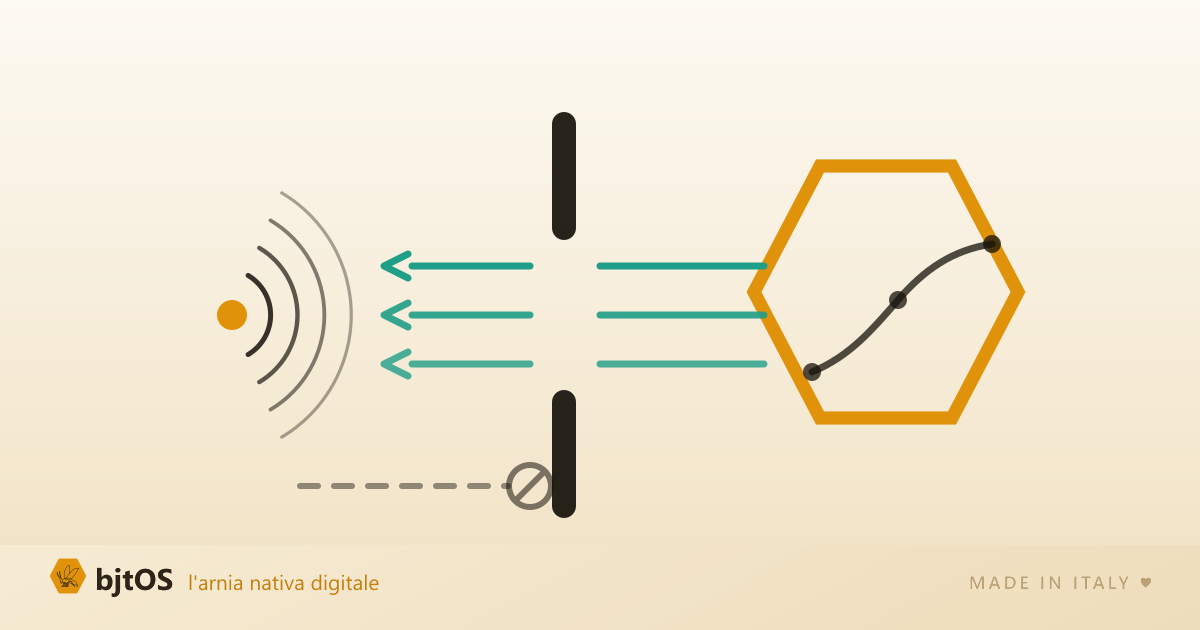
I opened my hives to Alexa without giving the data away
Asking out loud how the bees are doing is convenient. But to answer, someone has to be able to read your hive's data: who, how much, for how long, and how you take it back. How I opened bjtOS to voice assistants without opening the database.
Read→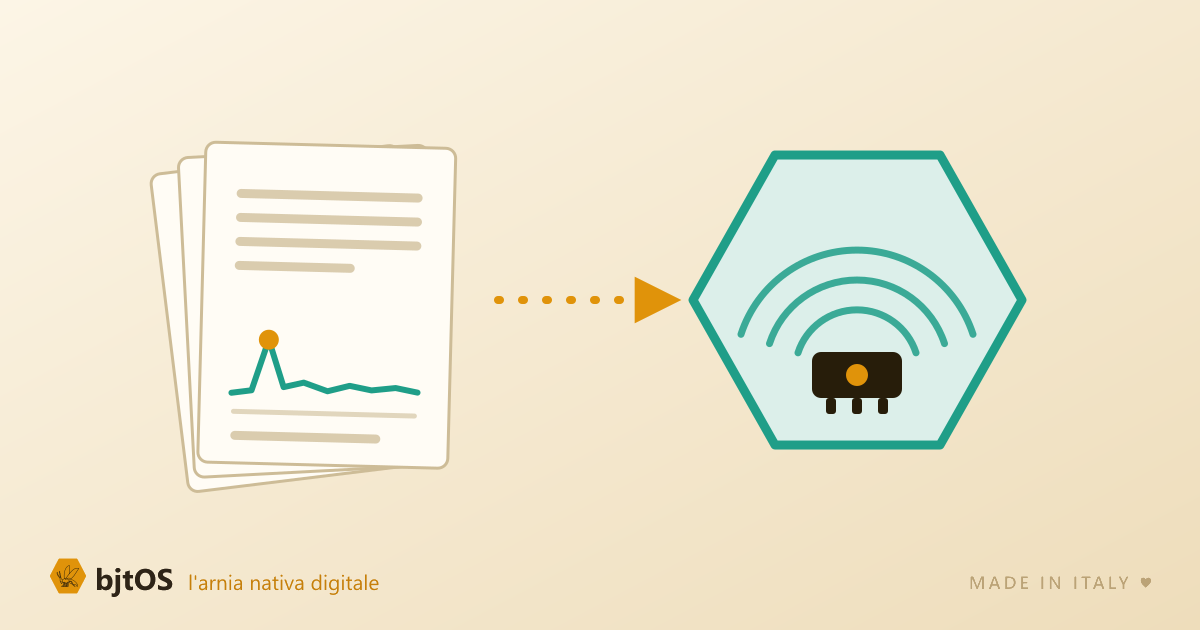
You don't pick a sensor, you study it
Putting a sensor inside a hive looks like a purchasing decision. Take a single question, will this colony swarm, and you start to see how many of those decisions have already been paid for by someone else, in the scientific literature.
Read→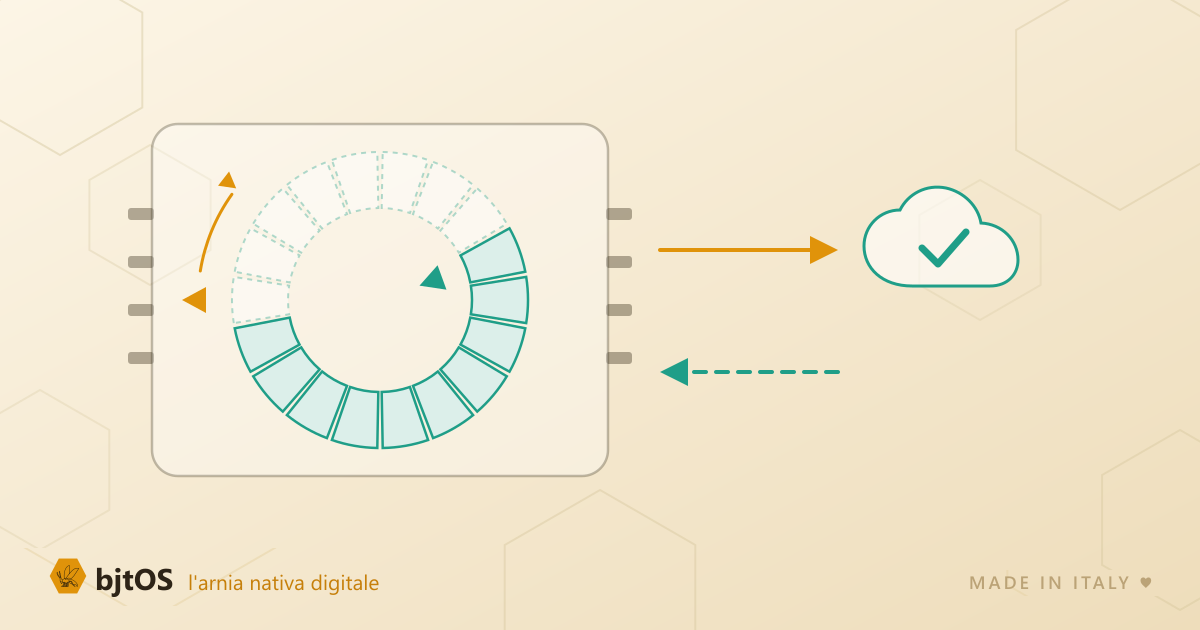
A ring buffer in flash: how an off-grid gateway loses no data while it sleeps
There is no mains power in an apiary, so the gateway has to stay off for most of the night. How a non-volatile ring buffer in flash holds hive telemetry aside, survives reboots, and deletes nothing before the cloud confirms it.
Read→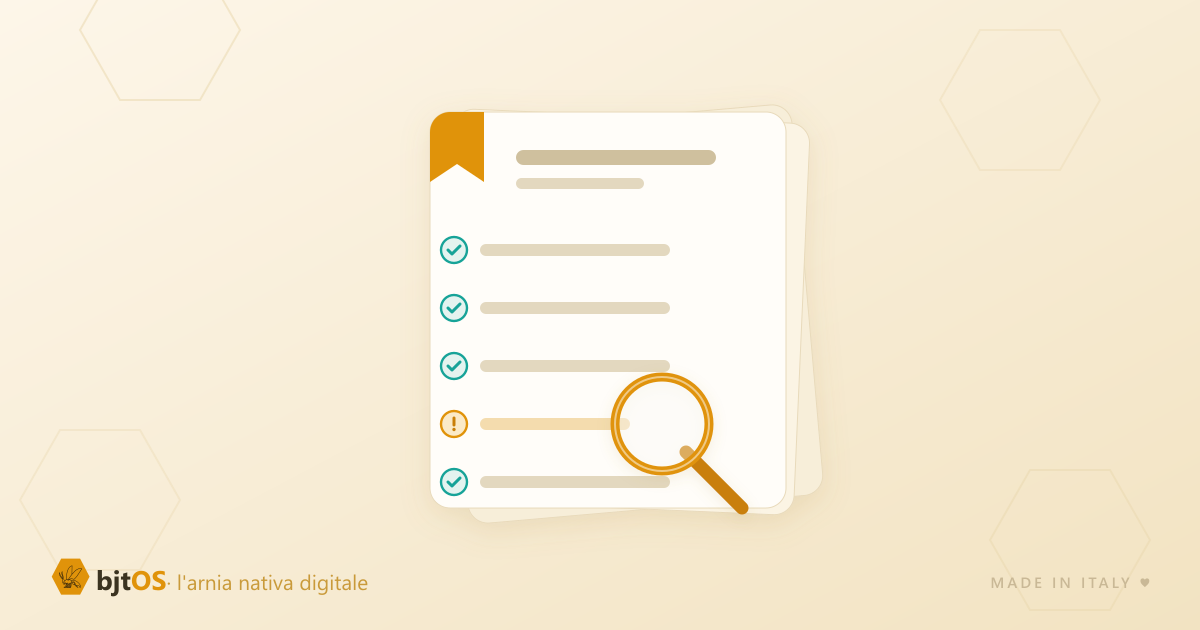
I spent a week cursing Europe. Then I read the rules.
CE marking a connected beehive: I thought I had to buy a lab certificate that cost a fortune. I found out that certificate doesn't exist, and that the rule I was cursing was right about my firmware.
Read→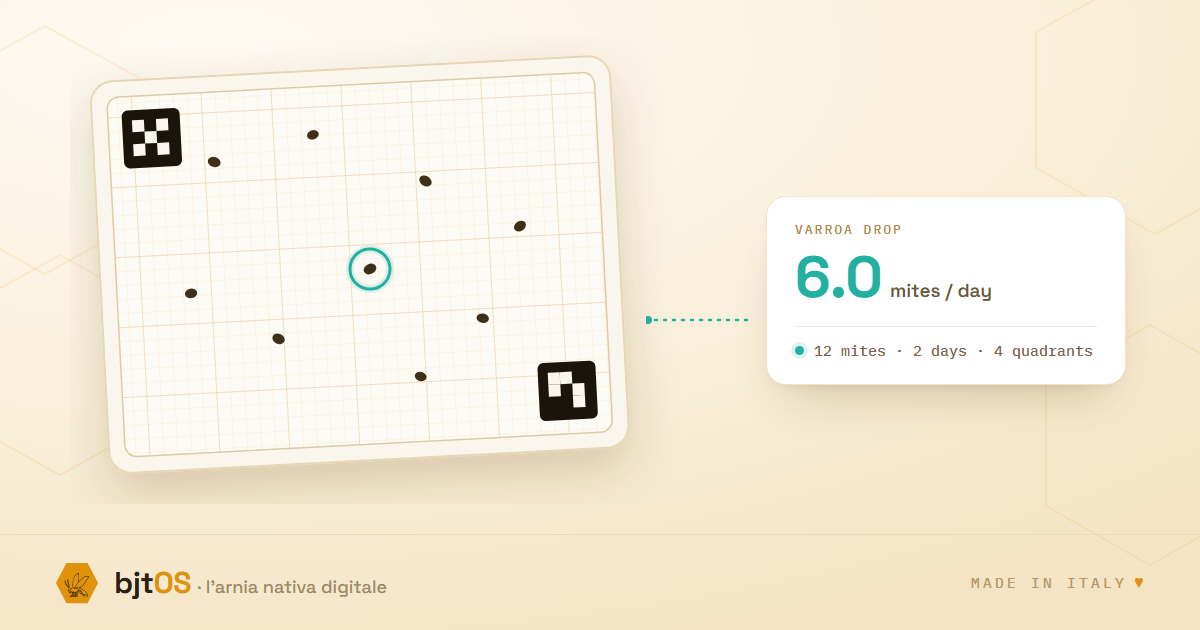
Counting varroa with a photo: the optical varroa counter of bjtOS
Counting varroa by eye on the board is slow and error-prone. How bjtOS turns four photos of the tray into a mite-drop count, with alignment markers, a millimetre grid and mites per day.
Read→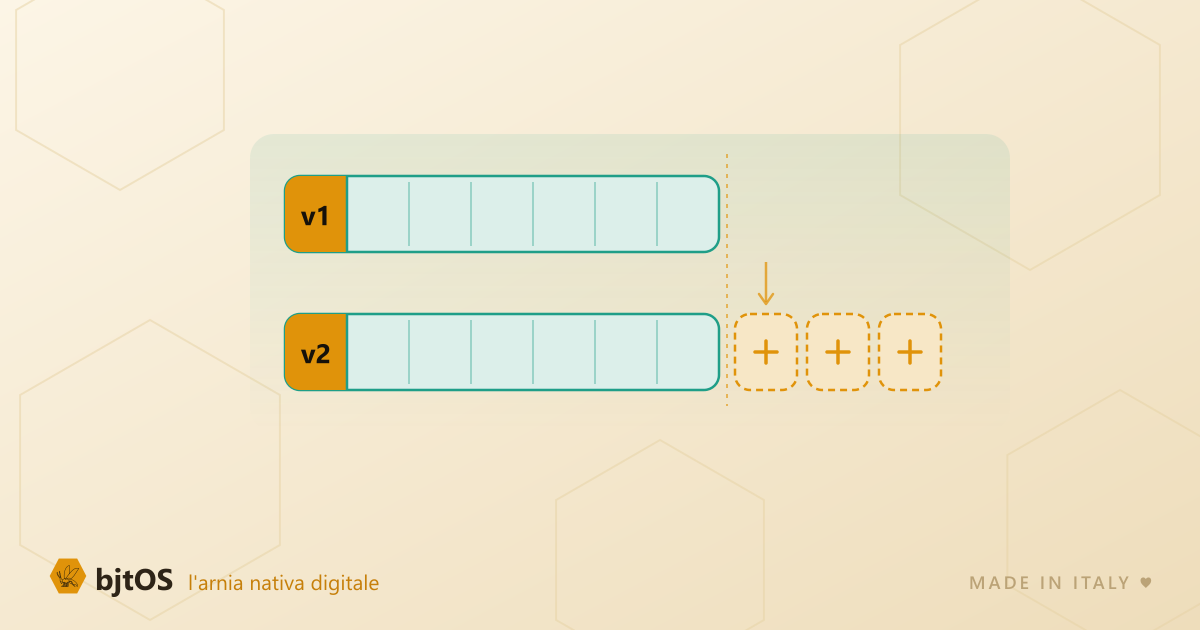
Backward compatibility by design: the wire contract of a low-power IoT system
In a fleet of connected hives you cannot update everything at once: old and new nodes coexist for weeks. How a versioned, append-only wire contract makes backward compatibility structural instead of a patch.
Read→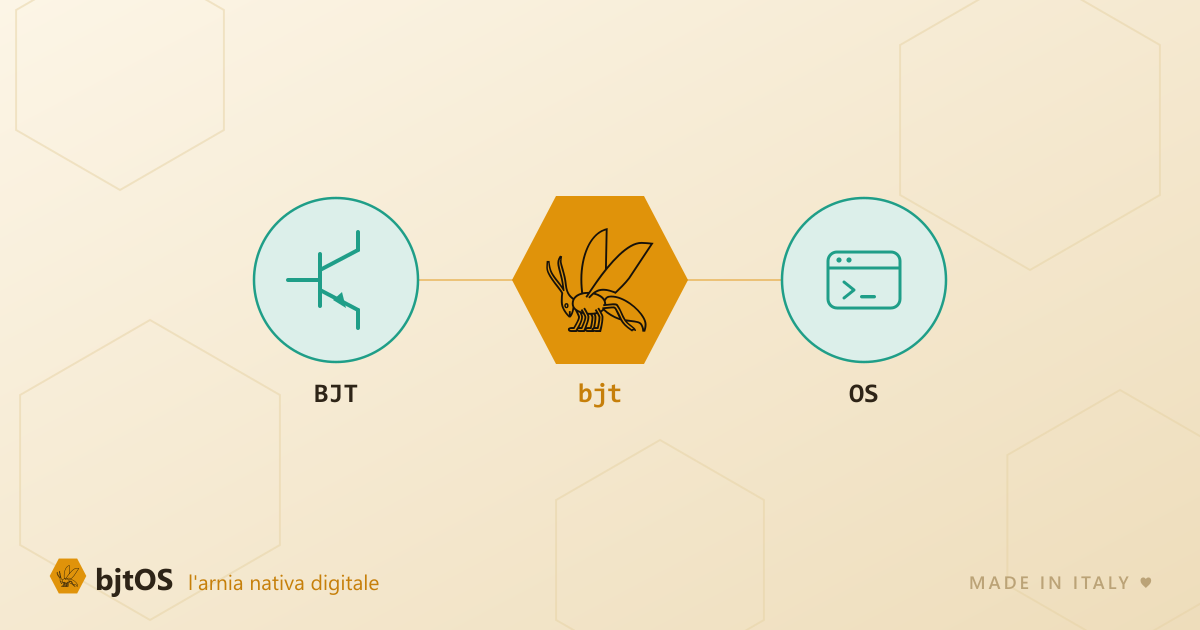
Why it's called bjtOS: a transistor, a bee and an operating system
Choosing a name for a project is harder than it looks. The one behind bjtOS hides three meanings that converge on the same object: the electronics, the bee and the system. And the ancient Egyptians had already gotten there.
Read→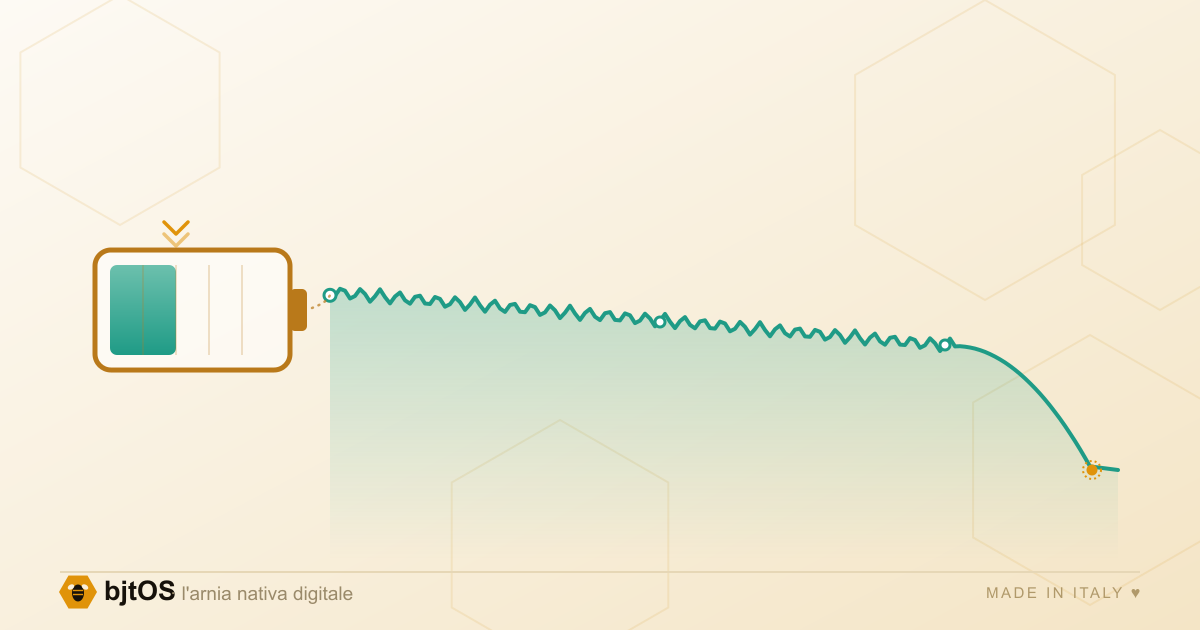
How Long a Battery Hive Lasts: Solar, LiFePO4, Deep Sleep
A smart hive in the field has no wall outlet. How it runs on solar panel and LiFePO4 battery, and why deep sleep, not the battery, decides its autonomy.
Read→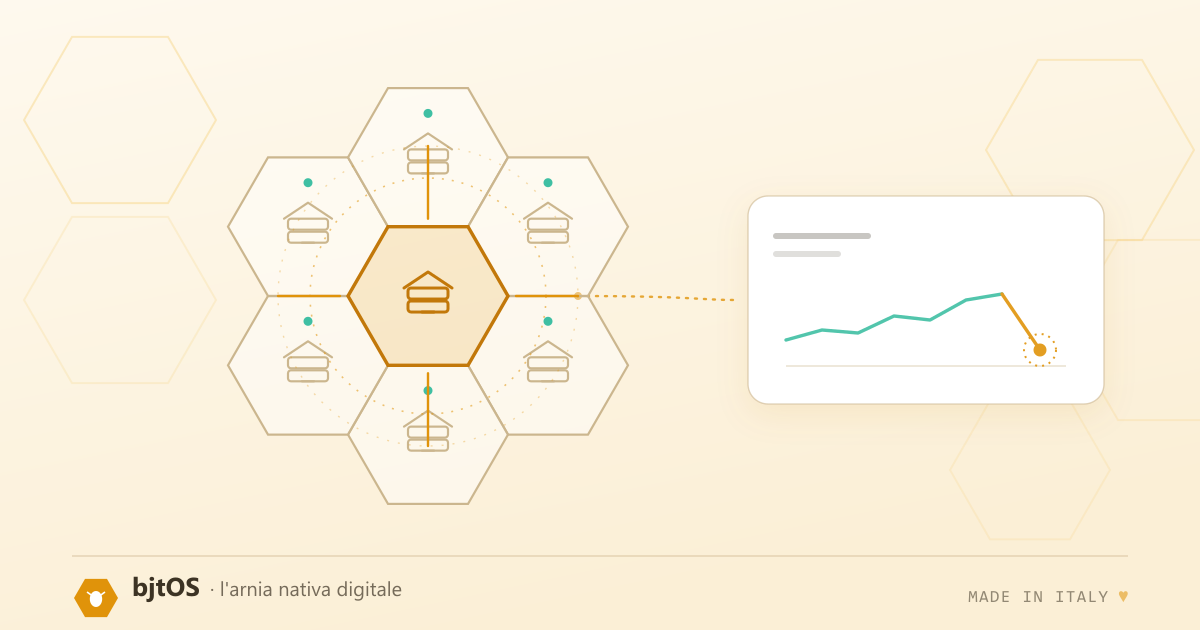
Precision Beekeeping: What It Is and What Really Changes
What precision beekeeping is, explained without jargon: using hive data to make better decisions, not to replace the beekeeper. What really changes in the daily work.
Read→
I built it so you don't need an engineer to install it
The missing piece wasn't a sensor: it was making the smart hive something a beekeeper can switch on in the field, not a technician. Here's how I did it.
Read→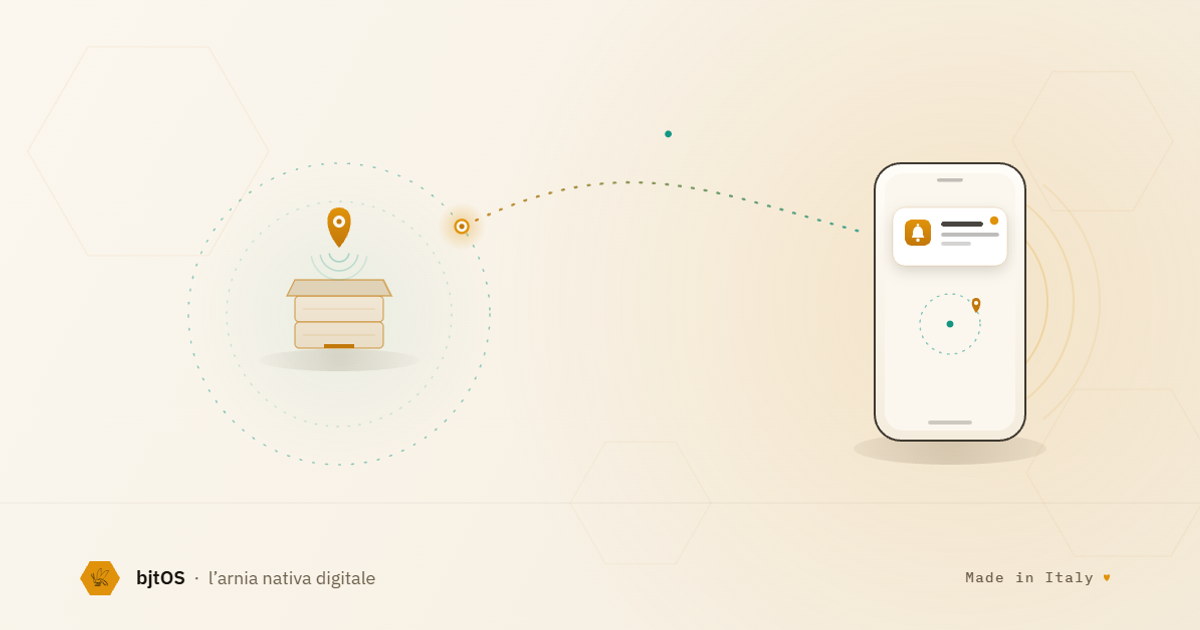
Beehive anti-theft: how to protect isolated apiaries
A serious beehive anti-theft system is not a siren: it is knowing right away that a hive has moved. How an accelerometer, a hive GPS tracker and geofencing protect isolated apiaries, and why I want anti-theft for beehives without a subscription.
Read→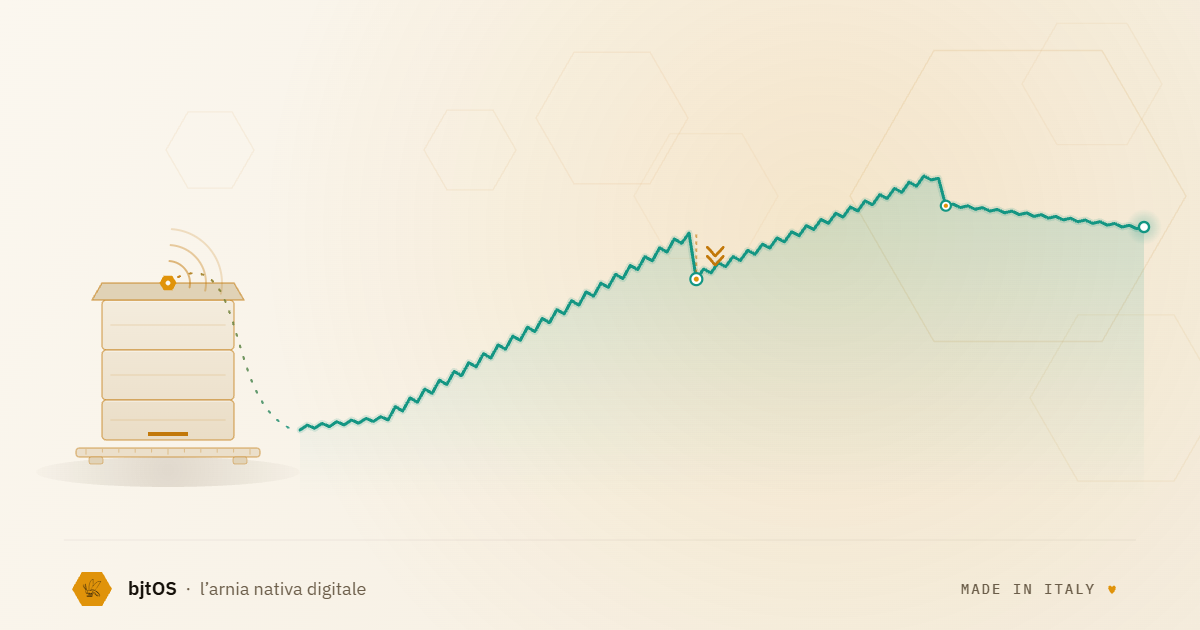
Hive weight: reading the hive scale day by day
Hive weight is the most honest data a colony gives you: how a hive scale tells you when to harvest, whether a swarm has left, and if winter stores will last.
Read→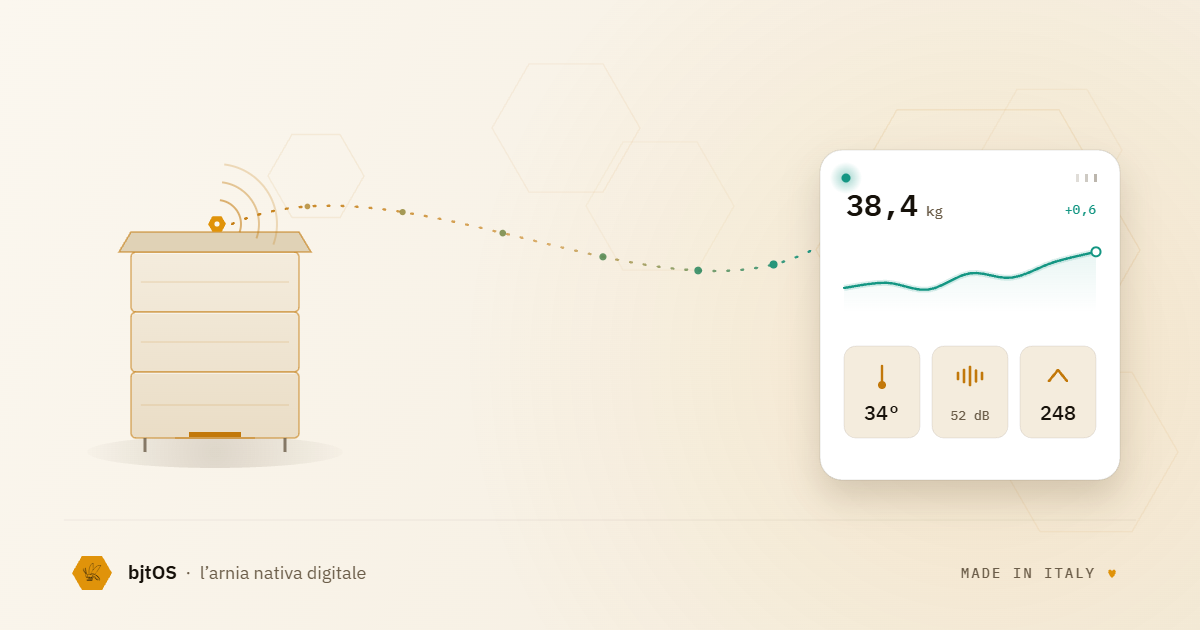
How a Smart Beehive Works, Explained Well
How a smart beehive works: sensors, radio and an app that tell you what is happening inside the hive without opening it. No jargon, no magic promises.
Read→
A hive is a memory that outlives the single bee
Bees aren't born knowing everything. Part of it they learn from their elders, and then they pass it on. What the science tells us, and why it moves me.
Read→
I built the road before the sensors
The first data point that makes the whole journey, from the field to the cloud, and why I started with the least spectacular part.
Read→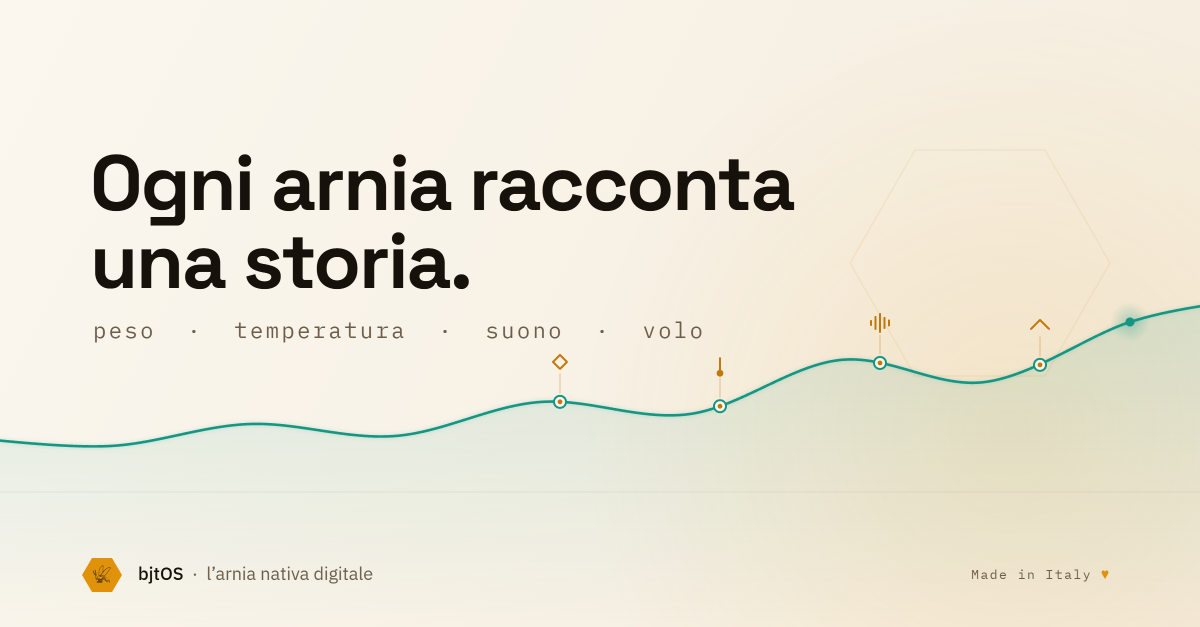
Every hive tells a story
The trouble is that, to hear it, you usually have to open it. Weight, temperature, sound and flight: what a hive says, signal by signal.
Read→